


Zero Porosity vs F111 Parachute Fabrics: A Technical Overview
Parachute canopy performance is fundamentally defined by fabric porosity, tensile strength, tear resistance and handling characteristics. In ram-air parachute manufacturing, Zero Porosity (ZP) and F111 are two dominant ripstop nylon 6.6 materials, each with distinct construction, aerodynamic behaviors and target applications. This article explains their core differences, advantages, limitations and typical use cases.
F111 Fabric
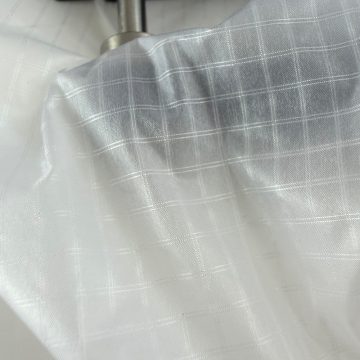
F111 is a classic ultra-low porosity ripstop nylon 6.6 textile, originally standardized under PIA-C-44378 Type IV specification and widely adopted for sport and emergency parachutes decades ago. It is manufactured by tightly weaving high-tenacity nylon yarns into a ripstop grid structure, followed by calendering (heavy hot pressing) to flatten yarns and reduce air permeability, without heavy coating layers applied to the fabric surface.
Key Properties
- Porosity: Low but measurable air permeability. New F111 typically delivers around 0–3 CFM airflow. Air can slowly pass through the weave gaps during flight.
- Flight & Deployment: The slight air leakage softens opening shock during canopy deployment. It inflates progressively and smoothly, which reduces impact on the jumper. The fabric is supple and easy to fold and pack, with less tendency to stick together compared with coated fabrics.
- Limitations: Porosity gradually changes with service cycles. After repeated jumps, packing friction, UV exposure and flex fatigue open the weave, increasing air permeability over time. This leads to degraded glide ratio, weaker flare performance and higher sink rate as the canopy ages.
- Applications: F111 remains the preferred material for student main canopies, reserve parachutes, and hybrid canopy designs where soft opening and forgiving handling are prioritized. Many manufacturers combine F111 on the bottom skin of ram-air wings to buffer opening force while using ZP on top skins for better lift retention.
Zero Porosity (ZP) Fabric
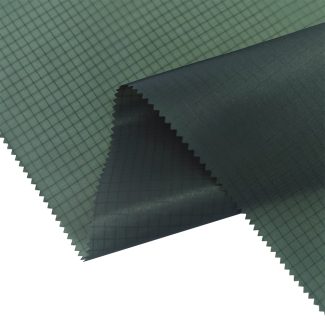
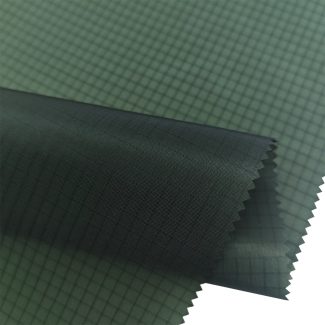
Zero Porosity, commonly shortened to ZP, is a modern high-performance ripstop nylon 6.6 fabric built on a similar ripstop woven base, but treated with an ultra-thin silicone or polyurethane coating to seal weave interstices and achieve near-zero air permeability. The coating blocks air leakage through the fabric itself.
Key Properties
- Porosity: Virtually no air passes through the fabric weave. The canopy maintains stable internal pressure consistently throughout its service life.
- Flight & Deployment: With minimal air leakage, ZP canopies hold pressure efficiently, delivering sharper aerodynamic response, superior glide ratio and powerful flare at landing. The flight characteristics stay consistent across hundreds of jumps, with much slower performance degradation than F111. The tradeoff is a firmer, more aggressive opening if packing technique is not correct. The coated surface is slippery and stiffer when folded, making packing more time-consuming and skill-sensitive.
- Limitations: The coating layer can be damaged by sharp abrasion, chemical contamination or long-term UV exposure, which creates localized air leaks and ruins canopy performance. ZP is also more expensive than F111.
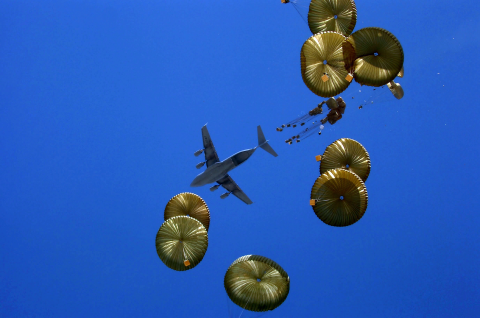
- Applications: ZP is the standard fabric for high-performance sport canopies, competition skydiving, and specialized military or cargo ram-air parachutes, where precise glide control and stable aerodynamic performance are the primary requirements. Hybrid canopies often use ZP for the top skin to preserve lift and F111 for the bottom skin to moderate opening shock.
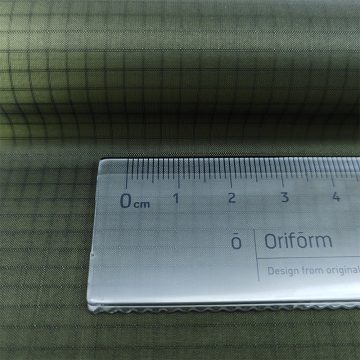
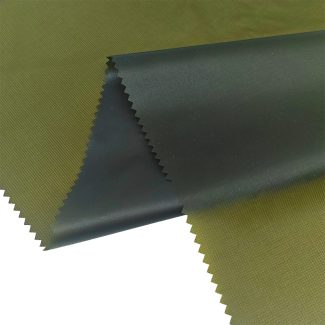
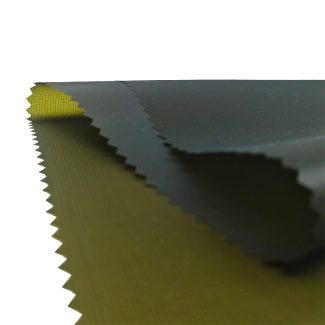
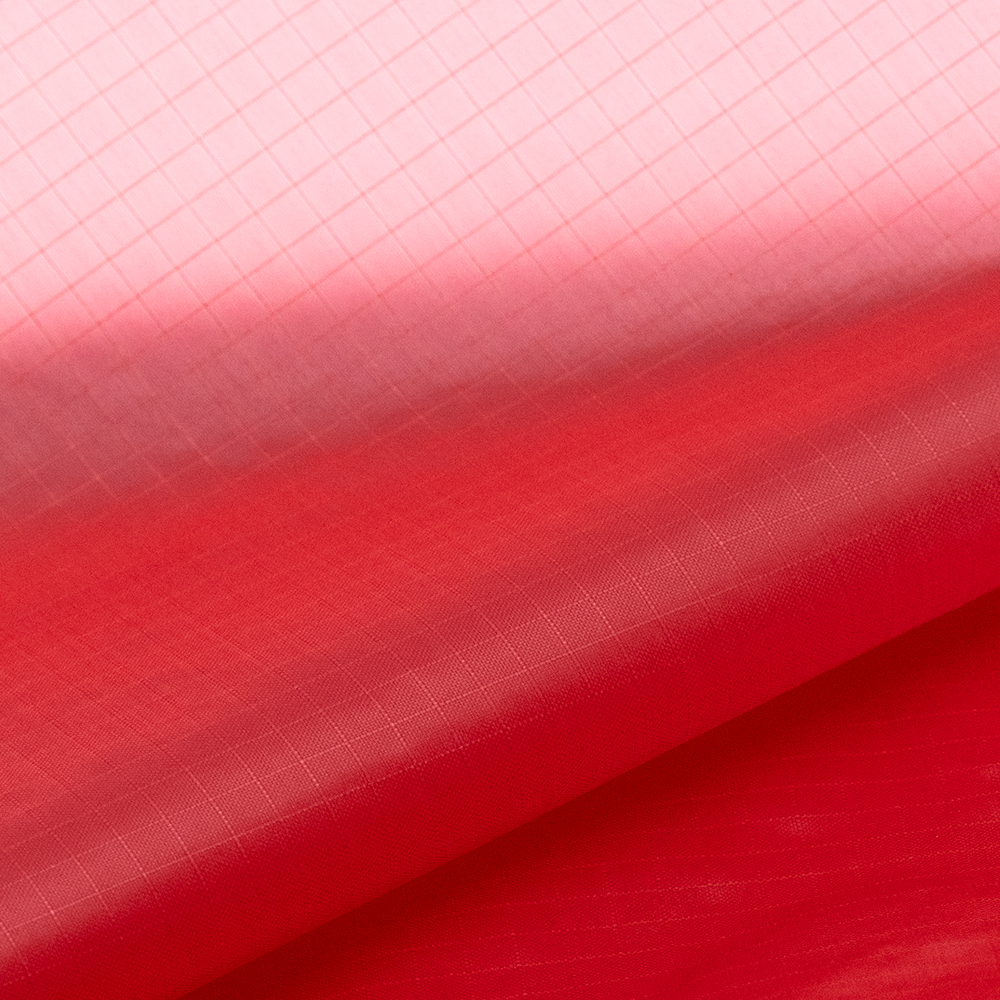
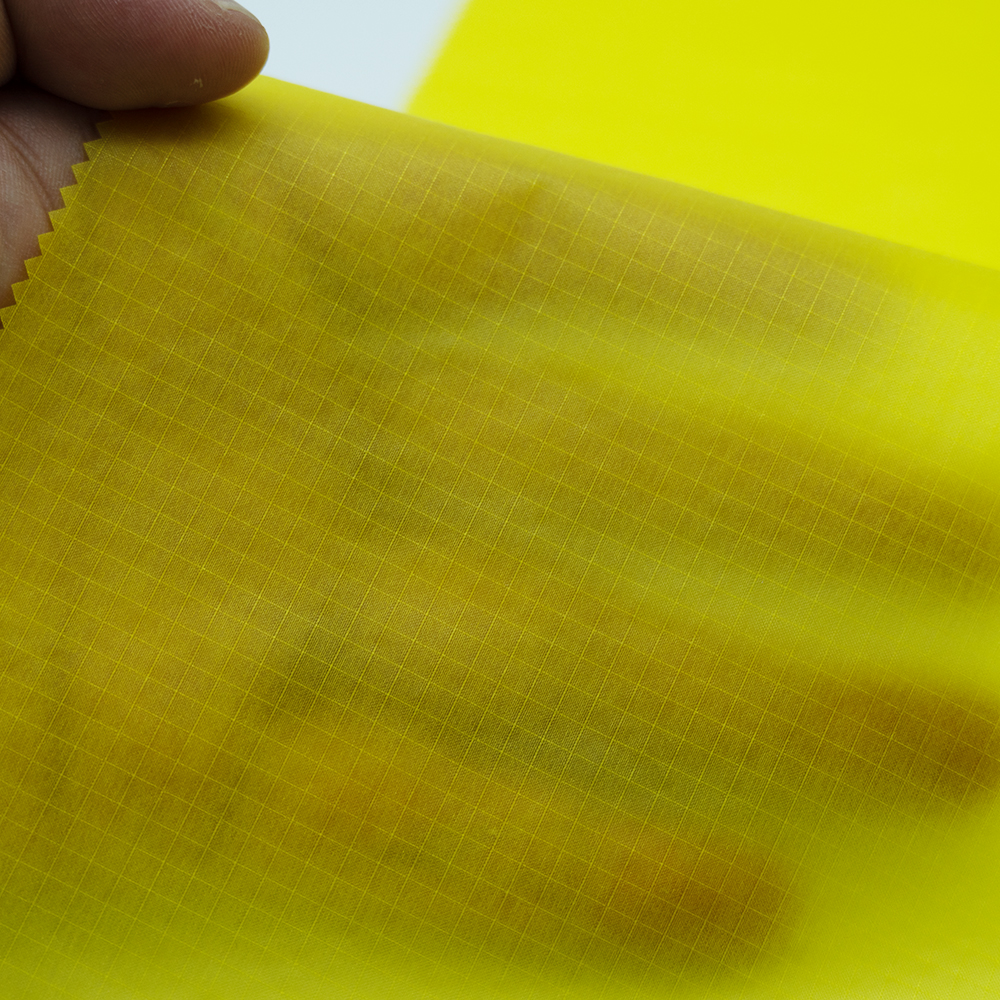
F111 N6.6 (PIA-C-44378 T4) FABRIC
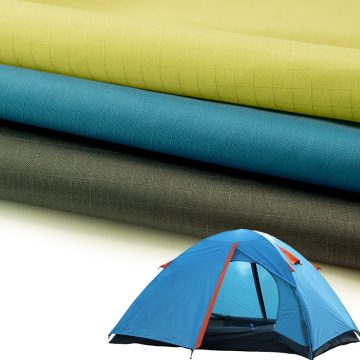
ZERO POROSITY FABRIC(SIL-N6.6)
Comparison & Material Selection Guidance
The core distinction lies in how porosity is controlled: F111 relies on calendering of bare woven nylon for low permeability, while ZP depends on polymer coating to seal the weave for near-zero air flow.
| Item | F111 | Zero Porosity (ZP) |
|---|---|---|
| Construction | Calendered ripstop Nylon 6.6, no heavy coating | Ripstop Nylon 6.6 + silicone Or PU sealing coating |
| Air Permeability | Ultra-low but measurable; drifts higher with age | Near-zero; stable permeability over service life |
| Opening Characteristic | Soft, progressive inflation | Crisp, firmer deployment |
| Packing | Easy, supple fabric | Harder, slippery coated surface |
| Aerodynamic Performance | Good, deteriorates after repeated jumps | Excellent and consistent glide & flare |
| Main Use | Student canopies, reserves, hybrid bottom skins | High-performance main canopies, competition & military parachutes |
Conclusion
F111 and Zero Porosity fabrics are not simply “better or worse” alternatives; they are engineered for different priorities. F111 prioritizes safe, gentle openings, simple packing and reliable reserve performance, making it the trusted choice for training and emergency parachutes. Zero Porosity delivers stable, high-efficiency aerodynamics for advanced users who demand consistent flight performance. Many modern canopy designs combine both materials to balance opening safety, flight efficiency and service life. Material selection always depends on parachute mission profile, user experience level, weight budget and service maintenance requirements.